What Fish Can Live Together? Upper-Level Tank Mate Guide for Beginners
Can guppies, bettas, harlequin rasboras and zebrafish live together? This beginner tank mate guide explains chasing, fin nipping, feeding competition and safer combinations.
Written by Eu C., a Malaysia-based aquarium hobbyist and editor of Akuarium.my.
Guide section
Freshwater Basics
Practical fish choices for new Malaysian freshwater aquarium keepers.
Most beginners build a community tank in the same way.
They see two attractive fish at the shop, ask whether they can live together, hear that both are “peaceful,” and bring them home.
That is not enough.
A peaceful fish can still chase, outcompete or stress another peaceful fish. Two species can occupy different parts of the aquarium and still be a bad match because one is much faster, has a larger mouth, guards territory or takes all the food first.
Dividing the aquarium into upper, middle and bottom zones is a useful starting point. It helps prevent every fish from crowding the same area. But I would never choose tank mates based on swimming level alone.
I also look at:
- adult size
- mouth size
- swimming speed
- feeding speed
- fin shape
- territorial behaviour
- group size
- water requirements
- aquarium length and hiding places
This guide focuses on five confirmed species that spend much of their time near the surface or in the upper half of the aquarium: guppies, common hatchetfish, bettas, harlequin rasboras and zebrafish.
They may all be sold as small aquarium fish, but they are not equally easy to mix.
Quick Answer: Which Upper-Level Fish Are Easiest to Mix?
| Fish | My view | Main issue |
|---|---|---|
| Guppy | Can work, but tank mate choices are limited | Large fins and slower swimming make males easy targets |
| Common hatchetfish | Good for a calm community tank | Excellent jumper; the tank needs a secure lid |
| Betta | Safest as the main fish in its own setup | Individual temperament is unpredictable |
| Harlequin rasbora | My easiest recommendation on this list | Must be kept in a proper group |
| Zebrafish | Hardy, but not a gentle roommate | Fast, busy and capable of stressing slower fish |
My opinion is simple:
- Easiest community fish here: harlequin rasbora
- Best kept as the main character: betta
- Most likely to have its fins targeted: guppy
- Fish that absolutely needs a secure lid: common hatchetfish
- Fish most likely to overwhelm quiet tank mates: zebrafish
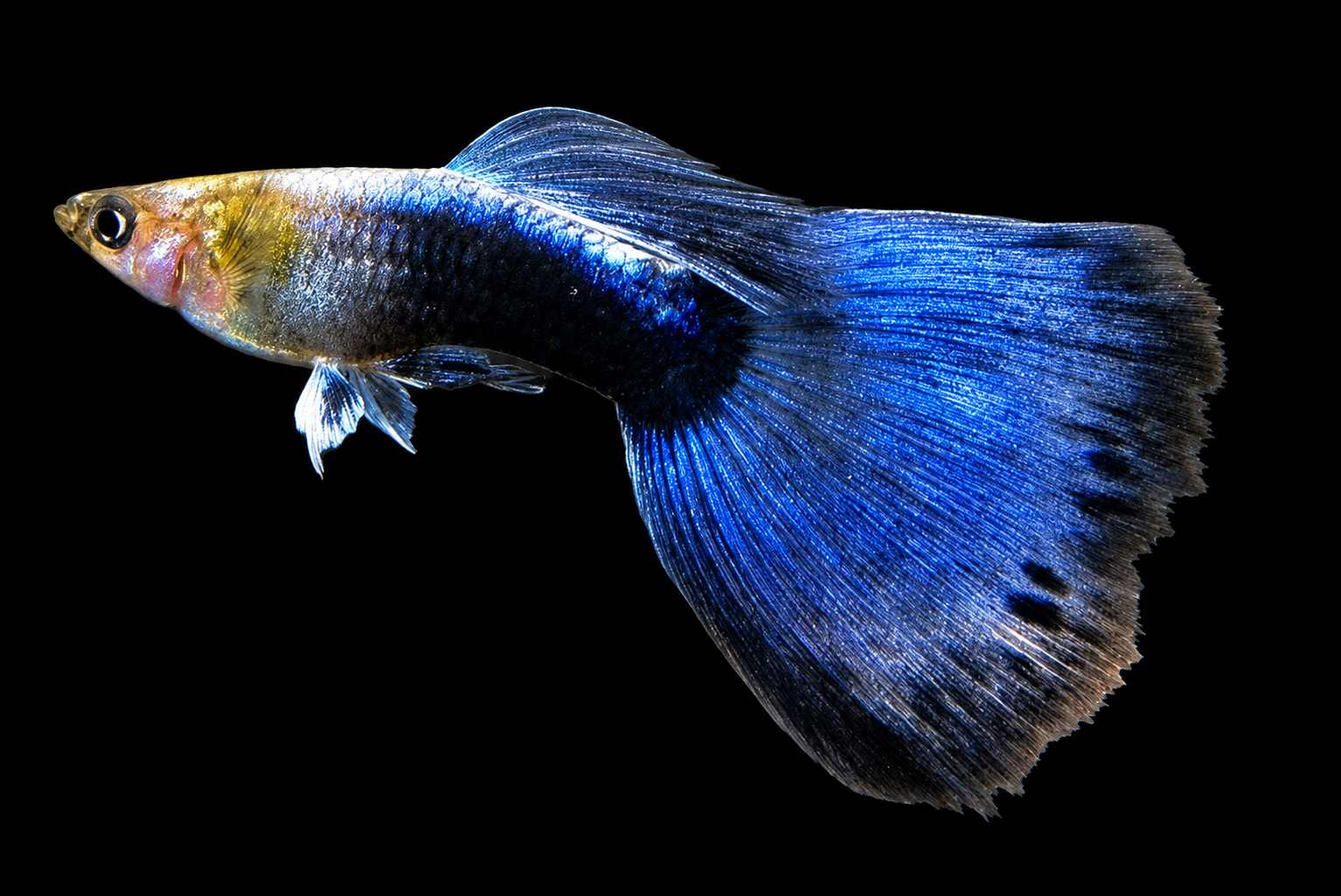
1. Guppy: Popular, Colourful and Easier to Bully Than People Think
The guppy is Poecilia reticulata.
Guppies are everywhere in Malaysian aquarium shops. They are colourful, active and easy to understand, so it is natural that beginners want to put them into a mixed community tank.
I do not treat guppies as universal community fish.
The main problem is the tail. Male guppies have large, flowing fins and do not swim as quickly as danios. In a busy aquarium, that tail becomes an obvious target.
A tank mate does not have to be extremely aggressive to cause trouble. Repeated chasing, occasional fin pecking or taking all the food first can be enough to keep a guppy stressed. Damaged fins also take away the main reason many people bought the fish in the first place.
Tank mates I am more comfortable with
- peaceful bottom fish of a suitable size
- small Corydoras-type groups
- suitable small plecos that are not territorial or oversized
- calm short-finned fish that do not rush every feeding
Tank mates I would not recommend first
- zebrafish
- long-finned or aggressive bettas
- fin-nipping barbs
- very fast schooling fish
- much larger fish
Guppies are not impossible to mix. They simply need more careful choices than their beginner-friendly reputation suggests.
For a first guppy setup, I would rather build the aquarium around the guppies and add a compatible bottom group later. That makes feeding and behaviour much easier to monitor.
For full care details, see our guppy fish care guide for Malaysia.
To compare common guppy colours, patterns and tail shapes, see 8 Types of Guppies with Pictures and Identification Tips.
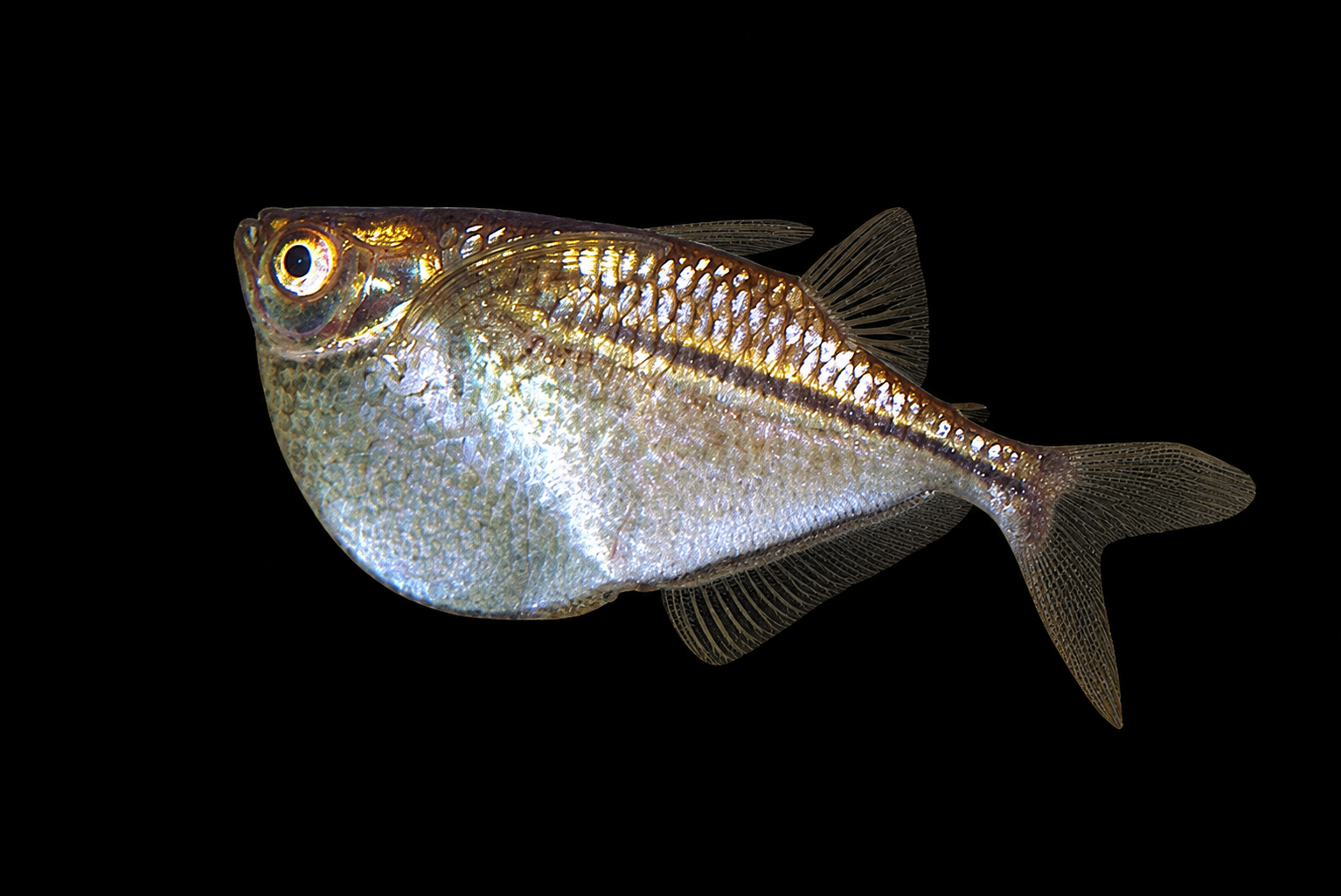
2. Common Hatchetfish: A Real Surface Fish, but the Lid Is Not Optional
The common hatchetfish is Gasteropelecus sternicla.
This is one of the few fish in this guide that genuinely spends most of its time close to the surface. Its deep, hatchet-shaped belly makes it easy to recognise.
In some Chinese-language aquarium markets, hatchetfish are sold under trade names that translate to “swallow fish.” I would not use that vague label here. Common hatchetfish is clearer and gives readers the correct species to research.
From a community-tank point of view, common hatchetfish are easier to place than many territorial upper-level fish. They normally do not spend the day fighting over bottom caves or chasing fish around the substrate.
Safer tank mate direction
- harlequin rasboras
- calm small schooling fish
- Corydoras-type bottom groups
- peaceful bottom fish that do not disturb the surface group
The real risk is outside the tank
Hatchetfish are powerful jumpers. A sudden movement, light change or chase can send one straight through a gap.
A lid is not enough when there are large openings around filter pipes, airline tubing or cables. Check every gap.
My rule is blunt:
No secure lid, no hatchetfish.
They also feed mainly near the surface. Do not rely only on food that sinks immediately. In a mixed aquarium, it is possible for the bottom fish to become round while the hatchetfish above slowly miss meals.
Keep them as a proper group and make sure food actually reaches their feeding zone.
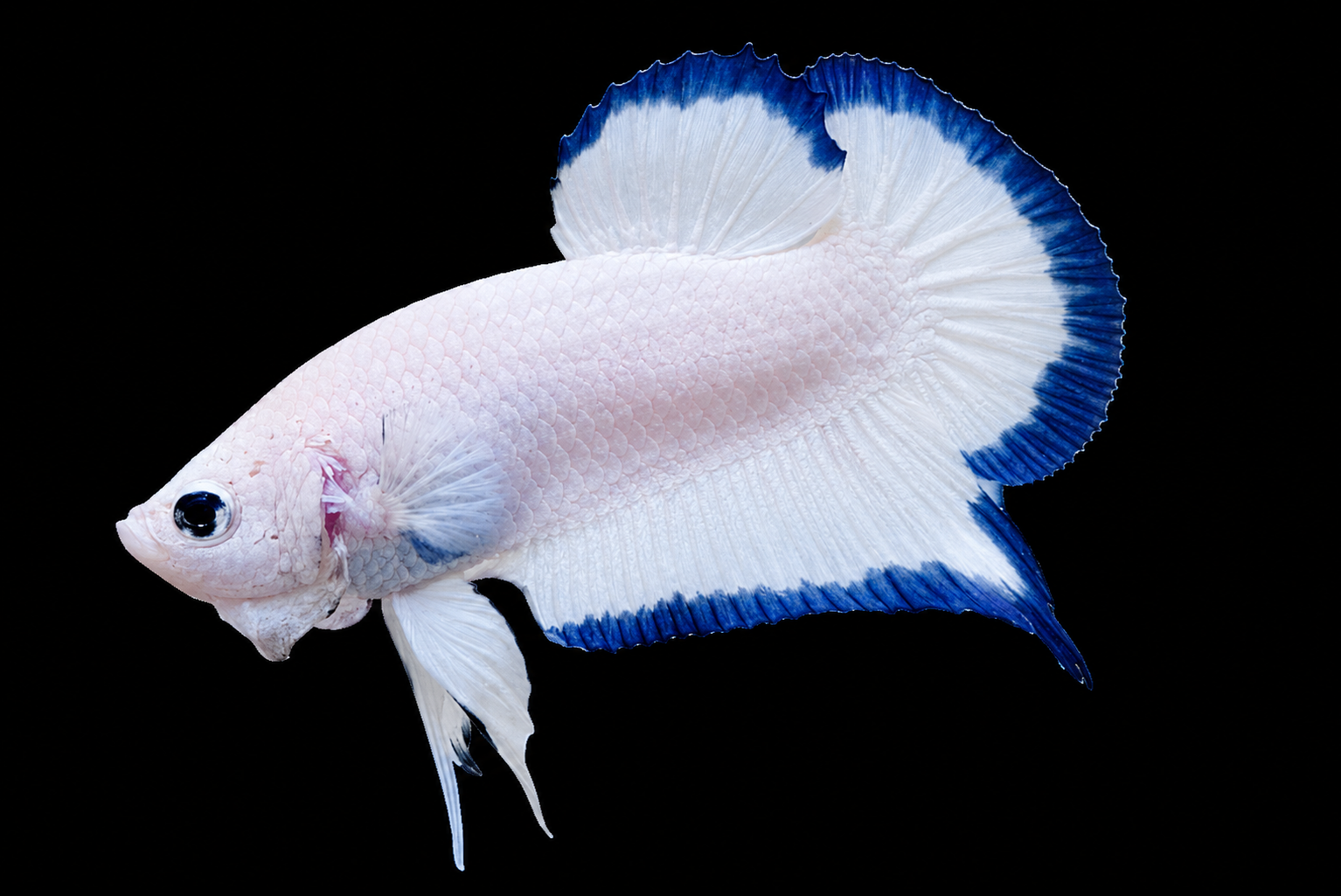
3. Betta: Community Tank Success Is Possible, but Never Guaranteed
The common ornamental betta is Betta splendens.
Male bettas should not be housed together. That part is straightforward.
The difficult question is whether one betta can live with other species.
Sometimes it works. Some bettas ignore their tank mates completely. Others look calm for several days and then begin guarding a corner, chasing small fish or hunting anything that moves like food.
That is why I do not like compatibility lists that say:
Betta can live with species X.
A more honest answer is:
It may work with the right individual, enough space and a backup plan.
Betta with harlequin rasboras
This combination has a better chance than many random mixes.
Harlequin rasboras normally stay with their group, do not have huge flowing fins and are less likely to hover directly in front of the betta all day.
Even then, I would require:
- a tank that is not cramped
- plants or visual barriers
- a proper rasbora group
- close observation during the first days
- a spare tank or divider ready
Betta with guppies
I do not recommend this as a beginner default.
A male guppy’s large colourful tail can attract chasing. The reverse can also happen, with active fish pecking at the betta’s long fins.
Some tanks succeed, but beginners do not need to gamble when easier combinations exist.
My view
Keeping a betta alone does not mean the fish is lonely.
A properly sized, filtered and planted betta aquarium is often better than forcing the fish into a community setup for our own entertainment.
Our beginner betta tank setup guide explains the safer starting point.
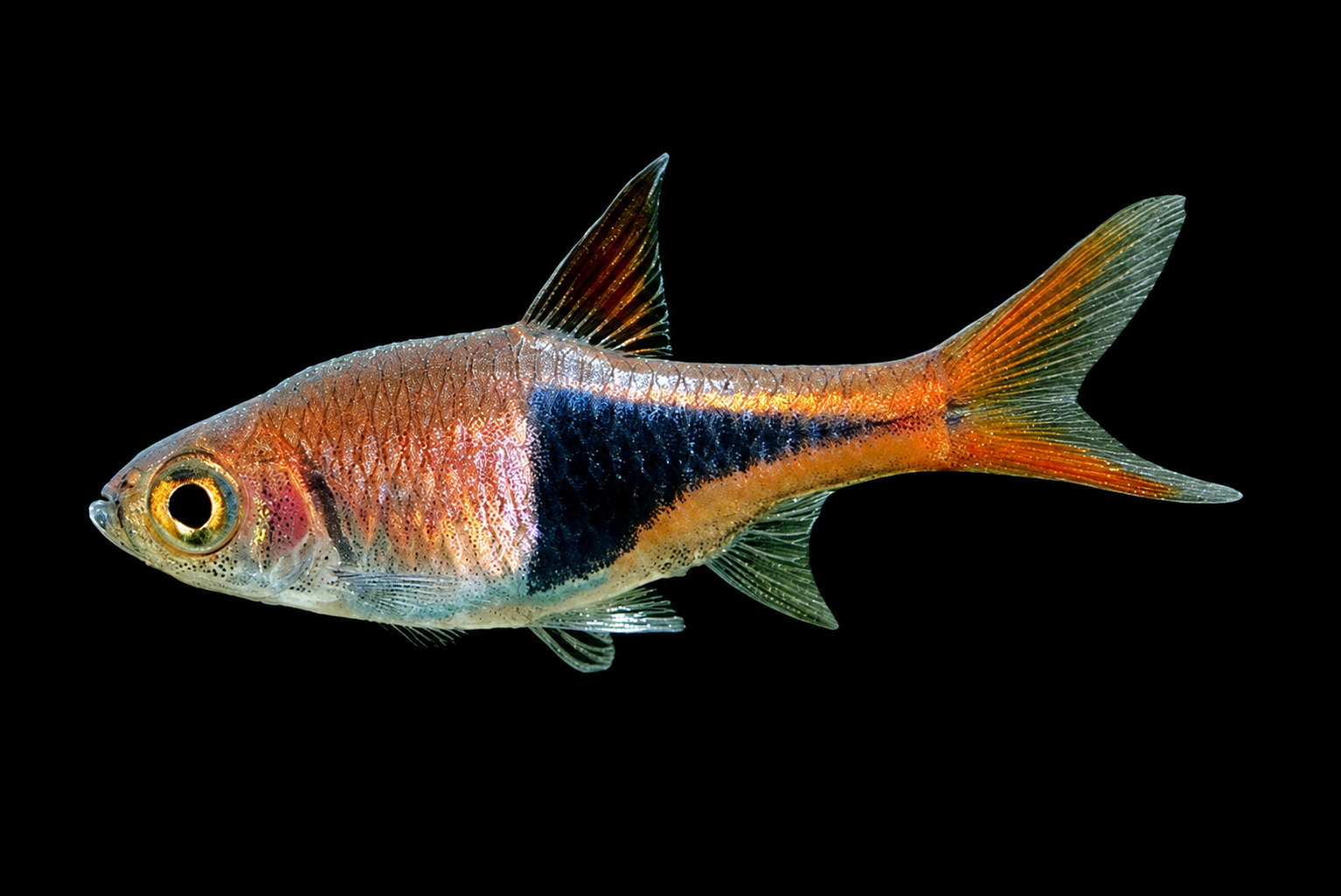
4. Harlequin Rasbora: My Most Reliable Community Choice Here
The harlequin rasbora is Trigonostigma heteromorpha.
Despite occasional shop-name confusion, it is a rasbora rather than a tetra.
Of the five fish in this guide, harlequin rasboras are the ones I am most comfortable recommending as the main upper-to-middle group in a beginner community aquarium.
Why?
- their behaviour is usually predictable
- they do not drag large fins behind them
- they are active without being as frantic as zebrafish
- they look better and feel safer in a proper group
- they fit naturally with calm bottom fish
The usual mistake is buying only two or three.
A small group often looks nervous and hides more. It also defeats the reason to choose a schooling fish in the first place. Instead of buying many species in pairs, reduce the number of species and keep a proper group.
Tank mates I would consider
- common hatchetfish in a securely covered aquarium
- Corydoras-type bottom groups
- peaceful small bottom fish
- similar-sized calm schooling fish
- a well-observed betta with a backup plan
Tank mates I would avoid
- fish large enough to swallow them
- persistent chasers
- known fin nippers
- a crowded aquarium with too many species
For a calm beginner community tank, a harlequin rasbora group with a compatible bottom group is much more sensible than buying two of every colourful fish in the shop.
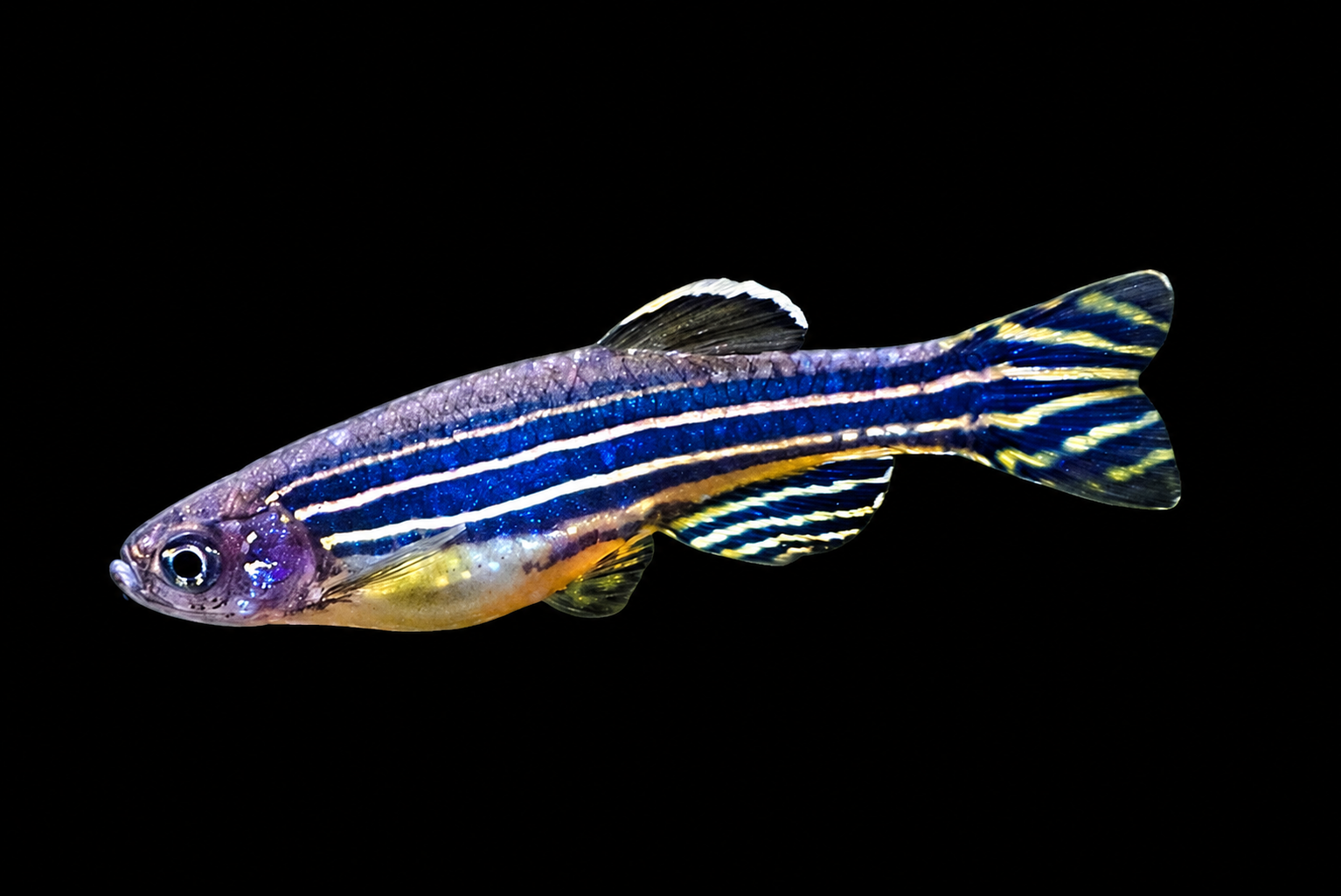
5. Zebrafish: Hardy Does Not Mean Gentle
The zebrafish, also called the zebra danio, is Danio rerio.
Zebrafish are tough, affordable and excellent eaters. They deserve their reputation as beginner fish.
But beginners often confuse two separate ideas:
- easy to keep
- easy to mix
Zebrafish are easy to keep in the right group and tank. They are not automatically gentle roommates.
They swim quickly, rush to food and keep moving. That energy is fine with fish that behave in a similar way. It can be exhausting for slow, shy or long-finned tank mates.
Some individuals may also chase or peck fins.
Fish I would not pair with zebrafish first
- large-tailed guppies
- long-finned bettas
- shy fish that feed slowly
- very small surface fish
- fish that need a quiet aquarium
Better tank mate direction
- similar adult size
- similar swimming speed
- fish that are not easily intimidated
- fish that also appreciate open swimming room
- compatible bottom fish with places to retreat
Keep zebrafish in a proper group and give them a long swimming area. A tiny decorative tank makes their energy harder for every fish to escape.
I think of zebrafish as energetic roommates. They are not bad, but they are the wrong match for a fish that wants a quiet life.
They also appear in our five easiest beginner fish guide, where we explain why toughness alone does not remove the need for space and grouping.
Safer Combinations from These Five Fish
Common hatchetfish + harlequin rasboras + peaceful bottom fish
This uses different activity zones and avoids putting two territorial upper-level fish together.
The hatchetfish still need a secure lid, the rasboras need a proper group, and the bottom fish must receive their own food.
Guppies + a peaceful bottom group
This is more sensible than pairing guppies with fast zebrafish.
The guppies occupy the upper half while the bottom group uses a different area. Choose the bottom species carefully and do not treat any fish as a cleaner that can live on leftovers.
Harlequin rasboras + Corydoras-type bottom fish
This is one of the cleaner beginner community directions.
Two properly sized groups usually make more sense than five species with only two fish each.
Combination That May Work but Needs a Backup Plan
Betta + harlequin rasboras
This can work, but the compatibility chart is not the final judge. The betta is.
Watch the fish closely and be prepared to separate them. Waiting until torn fins appear is not a plan.
Combinations I Would Not Recommend to Beginners
- guppies with zebrafish
- guppies with bettas
- bettas with zebrafish
- common hatchetfish in an uncovered tank
- any small fish with a tank mate whose mouth can swallow it
- any schooling fish kept as only one or two individuals
These combinations are not guaranteed to fail in every aquarium. I simply do not think they are sensible starting points when safer choices exist.
Signs That the Fish Are Not “Just Playing”
Beginners often wait for a serious fight before accepting that a mix is not working.
Long-term stress usually appears earlier:
- the same fish hides behind the filter every day
- one fish is chased whenever the lights come on
- the same fish misses every feeding
- fresh splits or missing pieces keep appearing on fins
- breathing becomes faster
- fins stay clamped
- a fish loses weight
- a fish only comes out after the lights go off
- one fish controls the surface or feeding area
A short chase does not always mean disaster.
But when the same fish always chases and the same fish always runs, that is not play. It is a compatibility problem.
My Final View
Using upper, middle and bottom zones is better than mixing fish randomly, but it is not enough by itself.
A stable community tank is usually not the aquarium with the most species. It is the aquarium where every species has a reason to be there.
From these five fish:
- for the easiest community plan, I would choose harlequin rasboras
- for a single fish with real presence, I would give the betta its own well-designed setup
- with guppies, I would avoid fast fish and fin nippers
- before buying common hatchetfish, I would secure the lid first
- with zebrafish, I would avoid slow, shy and long-finned tank mates
Do not assume two fish are compatible because their shop tanks are next to each other.
When the wrong roommates share an aquarium, the first fish to suffer is often not the strongest or the most aggressive. It is the quiet fish that hides, loses every meal and declines slowly without making the problem obvious.
FAQ
Can guppies live with bettas?
Sometimes, but I do not recommend it as a beginner combination. A male guppy’s large colourful tail may trigger chasing, while other active fish may also peck at a betta’s long fins.
Can a betta live with harlequin rasboras?
It can work when the tank has enough space, visual barriers and a proper rasbora group. The betta’s individual temperament still decides the outcome, so keep a backup tank or divider ready.
Can zebrafish live with guppies?
It is not my preferred pairing. Zebrafish are faster, busier and more competitive at feeding, while male guppies have large fins that may attract chasing or pecking.
Does common hatchetfish need an aquarium lid?
Yes. I would treat a secure lid as mandatory. Check gaps around filters, cables and airline tubing as well as the main cover.
Do upper-level fish stay at the surface all the time?
No. Common hatchetfish are strongly surface-oriented, but guppies, harlequin rasboras and zebrafish move between the upper and middle areas.
Why should schooling fish not be kept as only two or three?
Small groups often feel less secure and show less natural behaviour. A proper group of one species is usually better than buying pairs of many different species.
Should I separate fish as soon as I see chasing?
One brief chase may be normal. Separate or intervene when the same fish is repeatedly targeted, hides constantly, misses food, clamps its fins or develops fresh damage.
Which fish in this guide is best for a beginner community tank?
My first choice is the harlequin rasbora. Its behaviour and activity level are generally easier to plan around than a large-finned guppy, unpredictable betta or highly active zebrafish.
Related Buying Guides
Altum Angelfish Care in Malaysia: Tank Height, Water & Feeding
A Malaysia-focused Altum Angelfish guide covering true Altum identification, tall tank planning, soft acidic water, feeding, groups, tankmates and buying checks.
Read Guide → GuidesCommon Angelfish vs Altum Angelfish: What’s the Difference?
Compare common freshwater angelfish and true Altum by species, body shape, forehead, tank height, water, feeding and suitability for Malaysian fishkeepers.
Read Guide →Disclaimer & Guidance Notes:
The specifications, wattages, dimension figures, and platform availability of items mentioned in our guides are based on manufacturer specifications, online store datasheets, and local marketplace data at the time of publication. While we strive to verify all information for reliability, aquarium equipment can vary depending on manufacturer batch updates or specific marketplace suppliers. Ensure you consult with verified sellers or professional fish-keepers prior to configuring heaters, large canister filters, or specialized lighting systems.