Betta Fish Care in Malaysia: 9 Steps to Keep Your Betta Healthy
A practical Malaysia betta care guide covering daily routines, water changes, air-conditioned rooms, gentle filtration, feeding, stress signs and beginner mistakes.
Written by Eu C., a Malaysia-based aquarium hobbyist and editor of Akuarium.my.
Guide section
Freshwater Fish
Betta setup, tank size, filtration and feeding guides for beginner fishkeepers.
Betta fish often look almost too easy to keep. They sit in small cups at the shop, eat a few pellets at home, and many first-time owners assume that is the whole routine.
Good betta care is not complicated, but a few small things need to stay consistent. The water must remain stable, feeding must be controlled, filter flow cannot push the fish around, and changes in behaviour should be noticed before a small issue becomes a serious one.
Quick answer: for a beginner in Malaysia, I would keep one betta in at least a 5-gallon tank, use gentle filtration, condition all new tap water, keep the water around 24–28°C, feed small portions of suitable food and perform partial water changes based on the tank’s condition. I would also start with one betta rather than trying to keep several bettas together.
Still preparing the aquarium? Begin with the Malaysia beginner betta tank setup guide. This article focuses on the routine after the tank and fish are already in place.
A simple routine to follow
| When | What to do |
|---|---|
| Every day | Check appetite, swimming, fins, temperature and filter flow |
| At feeding time | Feed a small amount, let the fish finish and do not add more just because it keeps begging |
| Each week | Check the water, remove visible waste and perform a partial water change when needed |
| When flow becomes weaker | Check the sponge or intake without sterilising all filter media |
| When behaviour changes | Check temperature, ammonia, nitrite, flow and recent changes before reaching for medication |
1. Start With a Stable Home, Not the Smallest Container
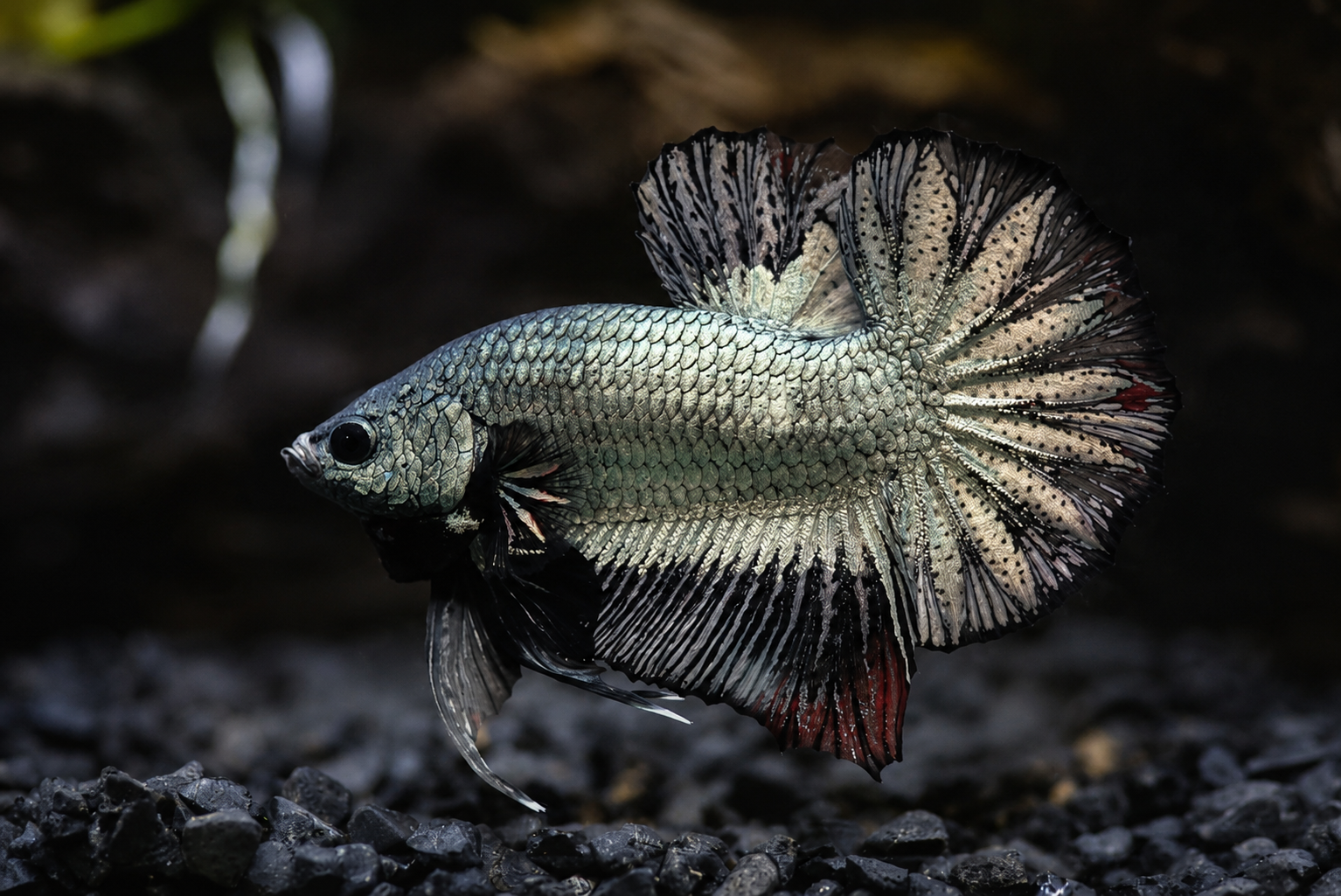
For a first betta, I would not choose a container by asking whether the fish can physically fit inside it. I would ask whether the water will be stable and manageable.
For one betta:
- 5 gallons, about 19 litres, is a safer practical starting point.
- 10 gallons, about 38 litres, is usually easier to maintain when space allows.
- A longer tank is more useful than a tall, narrow one.
- A lid matters because bettas can jump.
- Small bowls, vases and cups are not suitable permanent homes.
A larger tank does not remove the need for maintenance. It simply gives the beginner more time to notice and correct a small mistake before water quality changes too quickly.
See the full betta fish tank size guide for Malaysia for a deeper comparison.
2. On the First Day, Let the Fish Settle
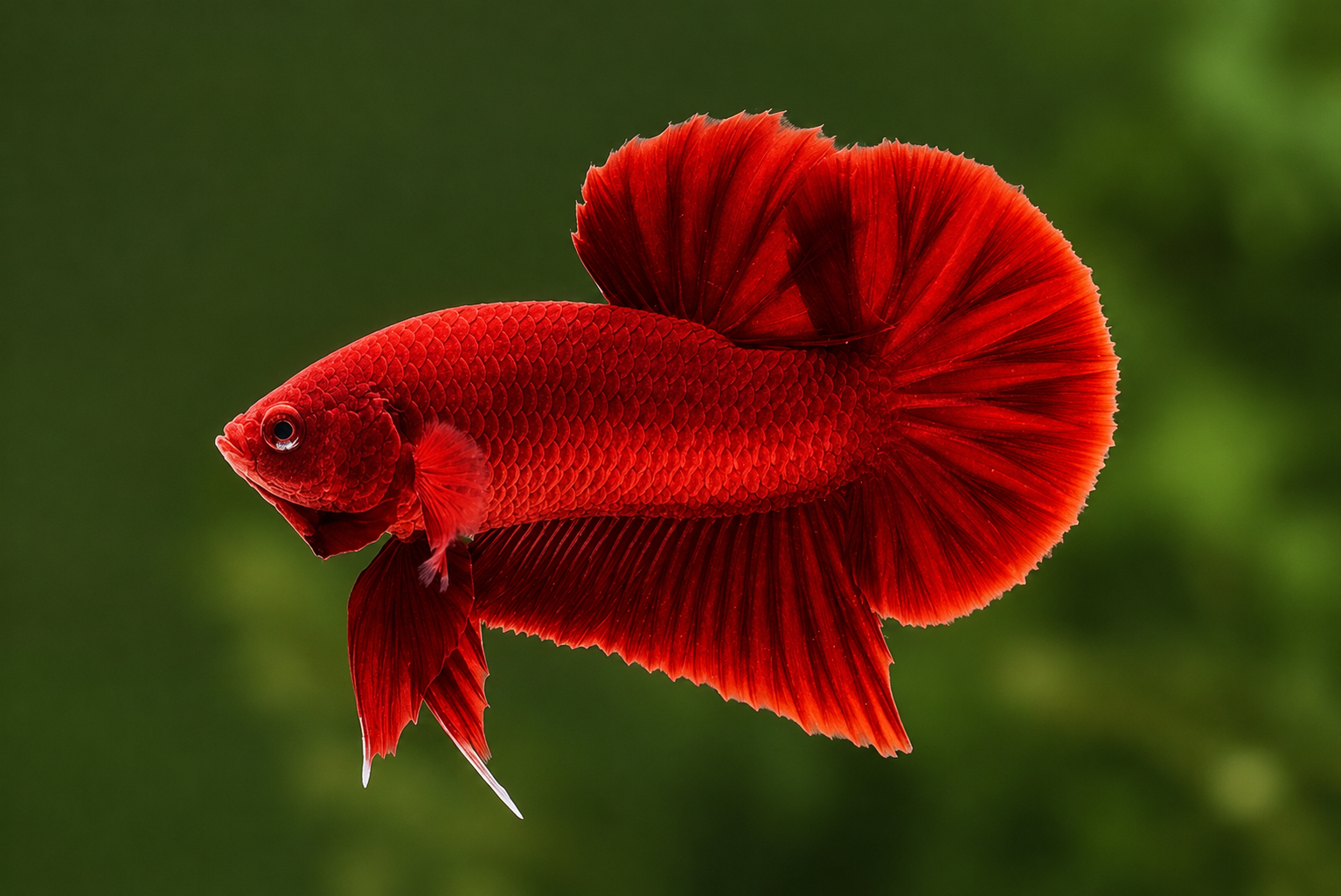
The first day is when many owners do too much. The lights stay bright, food keeps going in, decorations are moved repeatedly and everyone gathers around the glass.
I prefer to keep the first day simple.
After the fish enters the tank:
- Reduce the lighting for a few hours.
- Make sure the lid is secure.
- Stop rearranging the layout.
- Give the fish time to explore and find a resting place.
- Offer only a small amount of food after it appears settled, or wait until the next feeding if it remains stressed.
- Do not panic if the fish does not immediately flare its fins or swim to the front.
Watch whether it can control its movement. A newly moved betta may be cautious, but it should not continually gasp, roll or lose control of its body.
I also would not treat “leave the tank for one week” as proof that the aquarium is cycled. A tank matures through the nitrogen cycle and measurable water conditions, not through a seven-day countdown.
3. Measure the Water Temperature, Especially in Air-Conditioned Rooms
Malaysia is hot, but the tank does not always match the outdoor temperature.
An aquarium in an air-conditioned bedroom, office, near a fan or beside a window can experience larger temperature changes. Small tanks change even faster.
A practical betta range is around 24–28°C, with stability being more important than chasing one exact number. I would not automatically tell every Malaysian home to install a heater. I would first use a thermometer and check the actual water temperature.
A heater becomes more useful when:
- the room runs air conditioning for long periods;
- the water regularly falls below the suitable range;
- day and night swings are large;
- the fish becomes noticeably less active when the room cools.
Do not use direct sunlight as a way to warm the tank. Temperature can rise too quickly and algae problems become more likely.
4. Use Gentle Filtration, Not a Current That Pushes the Fish
Bettas can take air from the surface, but that is not a reason to leave water unmanaged.
For a beginner, a sponge filter is my easiest default. The flow is usually gentle, and the sponge provides a place for beneficial bacteria. A hang-on-back or internal filter can also work when the output is adjustable or baffled.
The flow may be too strong when:
- the betta constantly hides behind decorations;
- its body or fins are pushed by the current;
- it cannot stop and rest near the surface;
- it stays only in the calmest corner;
- a long-finned betta looks exhausted.
A filter supports biological filtration, but it does not remove the need for water changes. Read do betta fish need a filter for the full decision guide.
5. Feed a Small Amount, Then Watch the Fish and the Water
Bettas quickly learn that a person near the tank may bring food. They can beg even after they have eaten.
My practical rule is that beginners are more likely to overfeed a betta than starve one.
Use a protein-rich food suitable for bettas. A good pellet can form the regular diet, while frozen brine shrimp, daphnia or bloodworms can add variety. There is no need to chase one expensive brand or treat one product as mandatory.
At feeding time:
- start with a small amount;
- let the fish finish;
- adjust the portion to the pellet size and the fish’s body;
- remove uneaten food;
- do not pour in a large amount at once;
- reduce feeding when the fish is bloated or the tank dirties quickly.
A fixed pellet count does not work for every brand because pellet size varies. Use the dedicated betta food and pellet guide for Malaysia for a more detailed routine.
6. Perform Partial Water Changes Instead of Resetting the Entire Tank
Clear-looking water is not automatically safe. Ammonia and nitrite cannot be judged by appearance alone.
My basic beginner routine is:
- Observe the fish and water consistently.
- Perform partial water changes based on tank size, feeding, filtration and test results.
- Condition all new tap water.
- Match the new water temperature as closely as practical.
- Siphon visible waste and uneaten food.
- Do not remove the fish for an ordinary water change.
- Do not empty and scrub the entire aquarium without a reason.
Many stable tanks follow a weekly routine, but I would not prescribe one identical percentage for every setup. A new tank, a small tank, heavy feeding or rising nitrate may need a different response.
When a sponge or filter medium becomes dirty, rinse it gently in removed tank water. Do not wash every piece of media under tap water until it looks new, because that can disrupt the beneficial bacteria.
7. Provide a Safe Resting Place Near the Surface
A betta does not need an aquarium packed with decorations. It needs a useful balance of swimming room, cover and resting places.
Suitable options include:
- Anubias;
- Java fern;
- Cryptocoryne;
- floating plants that do not seal the whole surface;
- a betta leaf or broad leaf near the surface;
- smooth wood and rocks;
- silk plants when live plants are not practical.
Avoid hard plastic plants, sharp wood tips and decorations with narrow holes. Long fins can snag or tear.
Floating plants can make a betta feel more secure, but they do not replace a lid. Keep some surface space open for breathing.
8. For a Beginner, Start With One Betta
Two male bettas should not be kept together. A male and female are also not a normal long-term pair after breeding.
Female sororities are sometimes shown as attractive displays, but I do not consider them beginner projects. Individual temperament varies, and serious aggression can appear after an apparently calm start.
Tank mates are also not required to prevent a betta from becoming “lonely.” A single betta can do well with stable water and useful enrichment.
In a 5-gallon tank, I am more comfortable recommending one betta alone. Larger tanks create more options, but still avoid:
- known fin nippers;
- extremely active fish that keep the betta stressed;
- long-finned or brightly coloured fish that trigger aggression;
- anything small enough to be eaten;
- crowded stocking.
Do not buy tank mates first and hope the betta adapts. Every betta has a different temperament, and separation may still be necessary.
9. Read Behaviour Changes Before Adding Medication
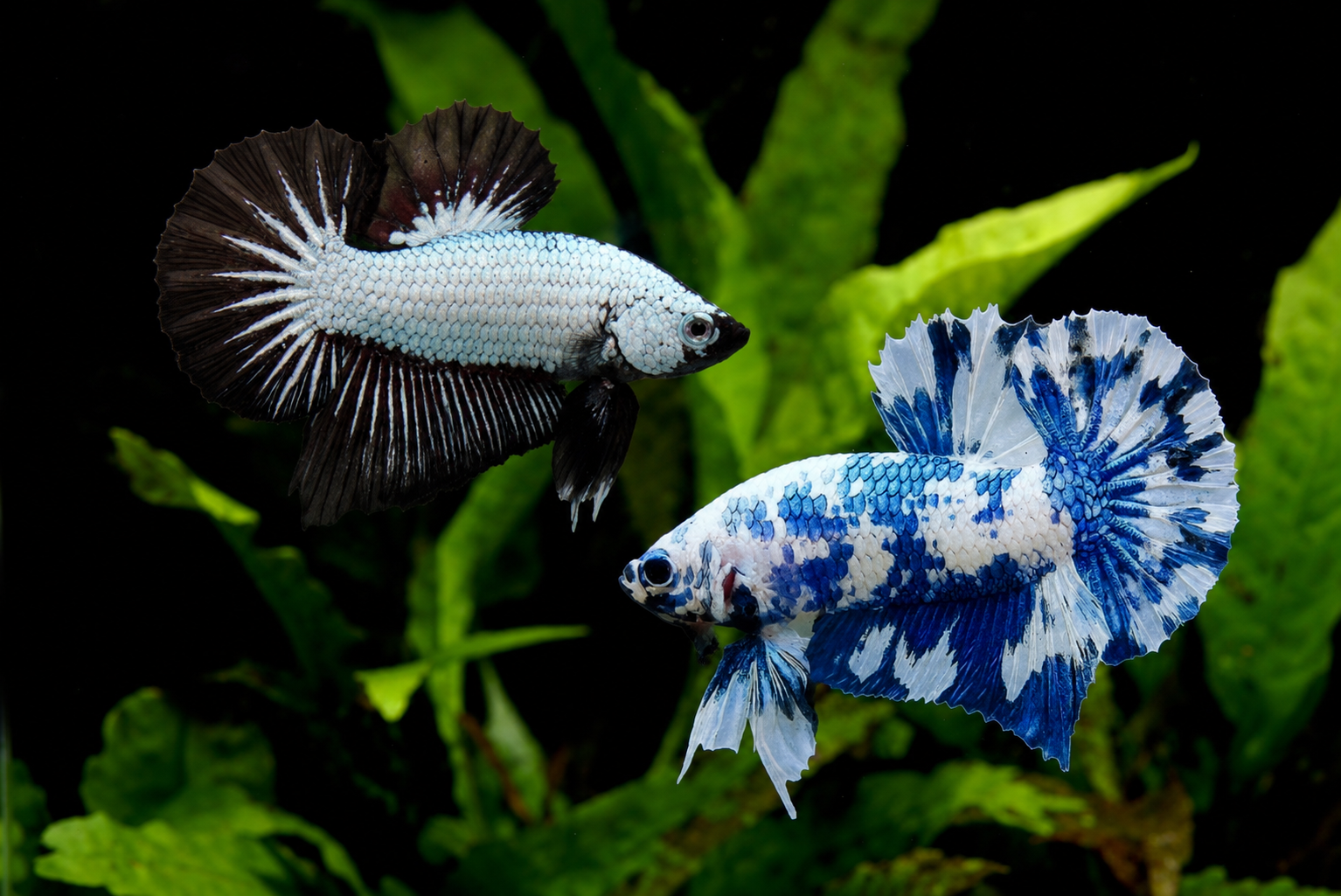
A good keeper is not the person who adds medicine fastest. A good keeper notices a change early and checks the basic causes first.
A healthy betta usually:
- reacts when someone approaches;
- swims with good control;
- shows interest in food;
- uses more than one area of the tank;
- rests but remains responsive;
- does not keep its fins clamped all day;
- does not continually gasp.
Changes worth investigating include:
- suddenly refusing food;
- remaining on the bottom;
- tilting or struggling to rise;
- fins becoming more clamped or damaged;
- unusually rapid breathing;
- spots, cotton-like growth or wounds;
- a severely swollen abdomen;
- scales beginning to stick out;
- symptoms appearing after a water change, filter cleaning or temperature drop.
When a betta suddenly becomes quiet, I would check temperature, ammonia, nitrite, filter flow and the latest change in the tank before mixing in salt or medication. The wrong treatment can add stress and make the real problem harder to identify.
If these signs persist or become clearer, use the betta fish diseases and treatment guide to distinguish fin rot, ich, bloating, dropsy and other problems before choosing a treatment.
Common Mistakes That Cause Betta Problems
The mistakes I see most often in beginner setups are:
- buying the fish before preparing the tank;
- treating a cup or bowl as a permanent home;
- adding the fish before the tank is stable;
- using untreated tap water;
- running a filter with excessive flow;
- overfeeding;
- changing 100% of the water and scrubbing everything each week;
- keeping the tank in air conditioning without a thermometer;
- mixing bettas or tank mates without a backup plan;
- adding medication for every small behaviour change.
Betta care does not need to become complicated. A consistent routine and one or two minutes of daily observation do more than constantly changing products.
FAQ
How do you keep a betta fish healthy?
Use a stable tank, gentle filtration, conditioned tap water, a steady temperature around 24–28°C, controlled feeding and consistent partial water changes. Do not use a small cup or bowl as a permanent home.
How often should a betta tank have a water change?
It depends on tank size, filtration, stocking, feeding and water-test results. Many stable tanks use a weekly partial-water-change routine, while new or very small tanks may need closer monitoring.
Does a betta need a heater in Malaysia?
Not in every home. Use a thermometer. A heater is more useful in air-conditioned rooms or whenever the water regularly becomes too cool or changes sharply.
Does a betta fish need a filter?
For most beginners, a gentle filter is strongly recommended. A sponge filter is an easy option, but filtration does not replace cycling or water changes.
How many times a day should a betta eat?
Many keepers use one or two small feedings per day. The correct amount depends on the food size and the fish’s condition rather than one pellet count for every brand.
How long do betta fish live?
With proper care, a betta fish commonly lives for about 3–5 years. Its actual lifespan depends on its age when purchased, genetics, water quality, temperature, diet and tank conditions.
Can a betta live in a bowl without a filter?
It may survive temporarily, but a small unfiltered bowl is harder to stabilise and demands more careful maintenance. It is not my recommended permanent setup for a beginner.
Can male and female bettas live together?
Not as a normal permanent pair. A male and female can seriously injure each other and should not be left together outside a controlled breeding process.
Why is my betta sitting at the bottom?
It may simply be resting, but persistent bottom sitting together with appetite loss, clamped fins, rapid breathing or swimming difficulty should prompt checks of temperature, ammonia, nitrite, flow and possible disease.
Conclusion
My one-sentence version of betta care is:
Do not search for the smallest setup or the fastest routine. Build a setup you can maintain consistently.
Stable water, controlled feeding, clean conditions and daily observation matter more than expensive decoration. For a beginner, start with one betta and get the basics right before trying tank mates or a more complex setup.
Last Updated
2026-07-22
Related Buying Guides
Altum Angelfish Care in Malaysia: Tank Height, Water & Feeding
A Malaysia-focused Altum Angelfish guide covering true Altum identification, tall tank planning, soft acidic water, feeding, groups, tankmates and buying checks.
Read Guide → GuidesCommon Angelfish vs Altum Angelfish: What’s the Difference?
Compare common freshwater angelfish and true Altum by species, body shape, forehead, tank height, water, feeding and suitability for Malaysian fishkeepers.
Read Guide →Disclaimer & Guidance Notes:
The specifications, wattages, dimension figures, and platform availability of items mentioned in our guides are based on manufacturer specifications, online store datasheets, and local marketplace data at the time of publication. While we strive to verify all information for reliability, aquarium equipment can vary depending on manufacturer batch updates or specific marketplace suppliers. Ensure you consult with verified sellers or professional fish-keepers prior to configuring heaters, large canister filters, or specialized lighting systems.